


AEO is indeed not dead
These are my recommendations based on Google’s recent guidance on how to rank for AI search…
And before I go any further - this is not a post talking about “I was right” or “Google is wrong”. Instead it’s just my honest take based on being in the SEO space for a while now
You see, this may have been the first time Google has announced guidance on how to rank for AI search, but this is certainly not the first time Google has given an update on ranking…
They’ve been doing it for literally decades.
A history lesson
So before you read to deep into what they are discussing… you should understand that Google is incentivized to not tell you EXACTLY how to rank… Yes they don’t want to have their crawlers parse through 1000s of ai slop pages…
but they aren’t going to give away the keys to kingdom in a random article released on a friday afternoon on EXACTLY how to rank in ai search…
And if you think what they released is FACT then I’d really recommend you go back and look at previous discussions & announcements Google has had
case study 1 for my reasoning is Google’s consistent claims around backlinks… it wasn’t long ago - maybe just a few years ago - when people would be buying backlinks to increase rankings…
And Google constantly said it didn’t help with rankings as much as they were saying… when in reality it was 1 of the biggest reasons why their website pages were all seeing a boost in rankings…
why would Google “lie” about this or not straight up tell you how to rank?
well… that’s because SEO’s abuse systems… as you have all seen with programmatic AI slop
I do believe Google cares deeply about the user experience is only trying to help the end user… because it makes them more money
but they will never reveal the REAL reasons how to rank the highest in AI search… I think it’s crazy to follow their guidance blindly…
So what does this all mean to me and people I advise? Well here are my big takeaways:
1. Rich media always increases citations, and SEO rankings in fact…
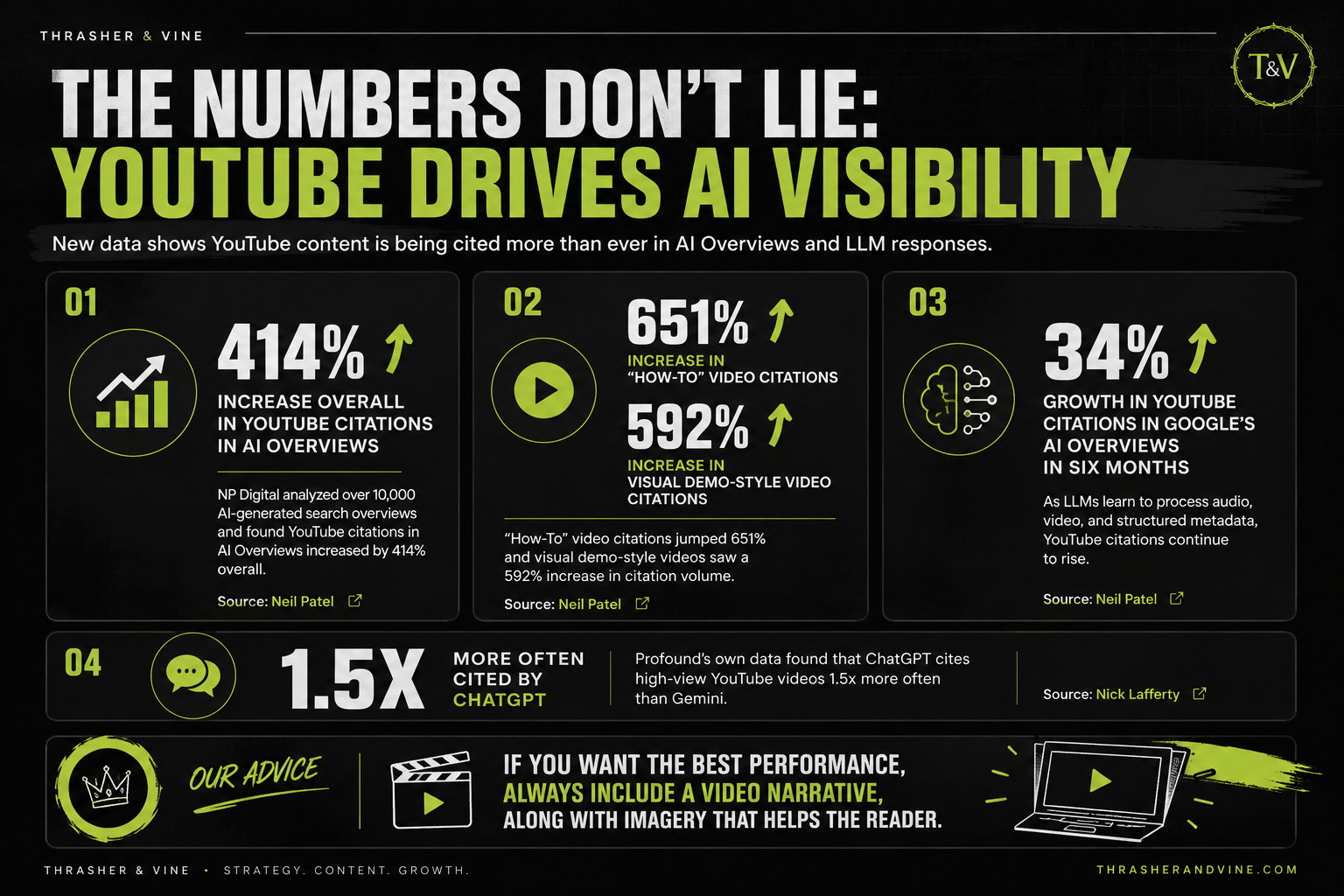
I promised I wouldn’t toot my own horn here - but this is something I have been saying for literally YEARS - check my youtube… i talked about this back in 2020
Youtube videos & rich content your website content ALWAYS increases rankings…
NP Digital analyzed over 10,000 AI-generated search overviews and found YouTube citations in AI Overviews increased by 414% overall, with "How-To" video citations jumping 651% and visual demo-style videos seeing a 592% increase in citation volume. Neil Patel
Profound's own data found that ChatGPT cites high-view YouTube videos 1.5x more often than Gemini, based on a comparison of 10,250 YouTube citations each from December 2025 through January 2026. Nick Lafferty
YouTube citations in Google's AI Overviews also grew 34% in six months as LLMs learn to process audio, video, and structured metadata. Neil Patel
So my advice remains unchanged - if you want the best performance then always include a video narrative, along with imagery that helps the reader…
2. Make sure your site loads fast
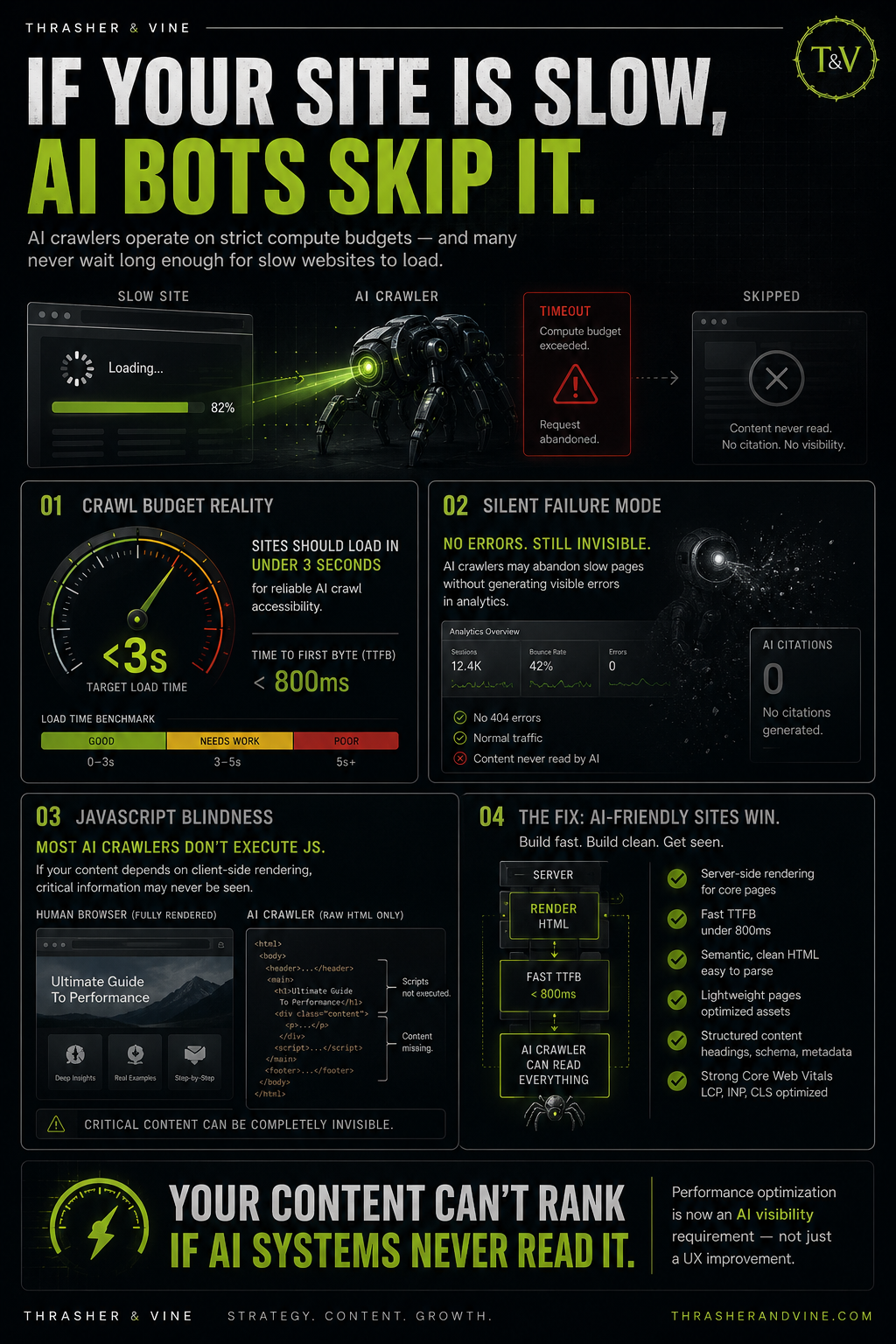
This shouldn’t be a surprise but it’s so important now that AI agents are accessing your page… if you site loads slowly the ai agent will just skip you…
AI crawlers operate on strict compute budgets and parse only the raw HTML content on initial page load, meaning if your Time to First Byte exceeds their timeout threshold, they abandon the request entirely — and your page never enters their training or retrieval set. This creates a silent failure mode: no 404 errors, normal analytics traffic, but AI systems never actually read your content. Discovered Labs
Most AI crawlers don't execute JavaScript, so if your site relies heavily on client-side rendering, critical information can be completely invisible to these bots. The recommendation is server-side rendering for core pages, clean and semantically structured HTML, and optimized site speed, since slow pages may not be fully crawled. Interrupt Media
So if your site isn’t loading under 3 seconds… you need serious tech fixes if you want to actually have the opportunity to rank
3. Continue to follow EEAT
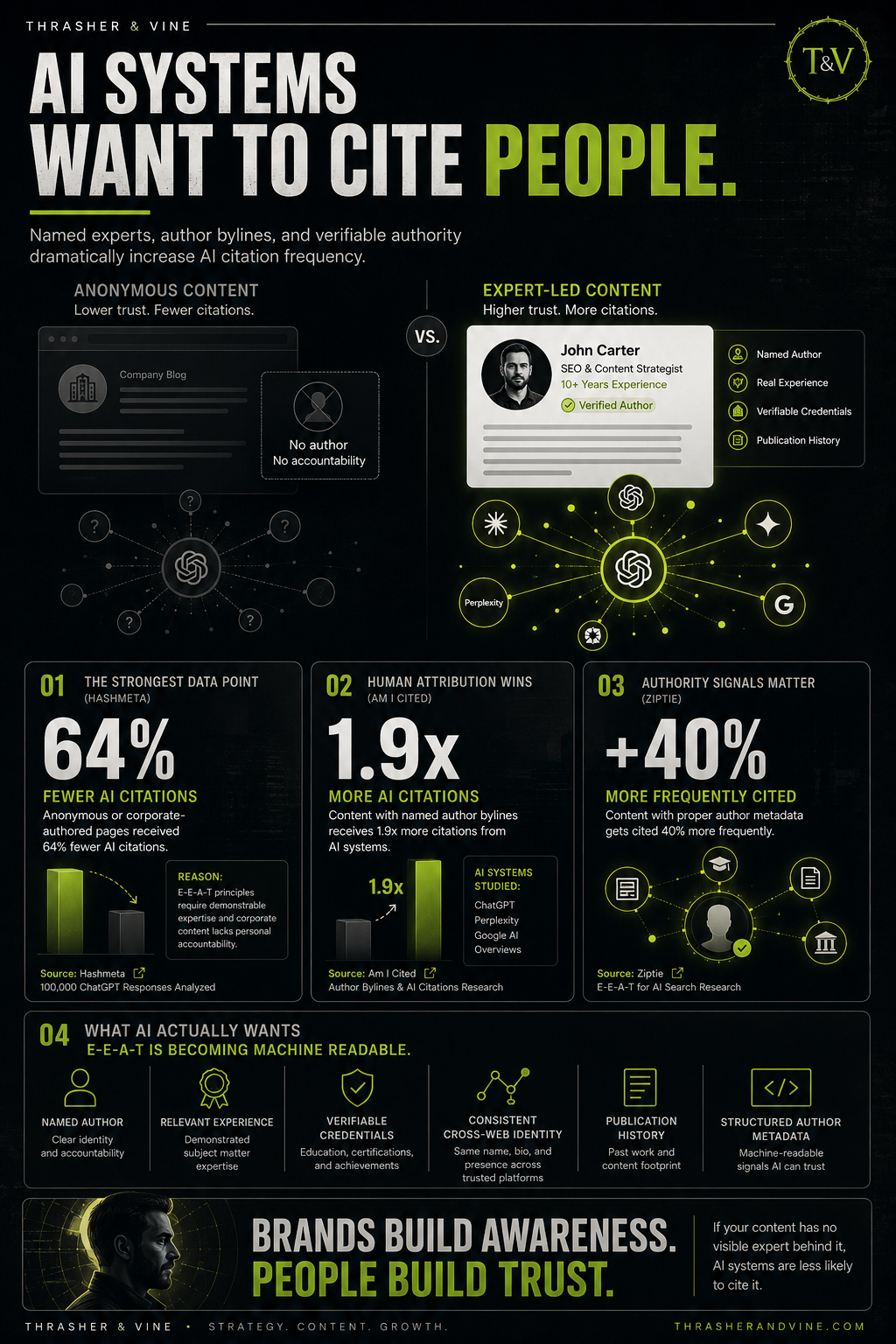
The big thing here is that having a clear author associated with you article or content helps a ton. The ai agents want to know who is saying this… and be able to cite the PERSON - not just the brand
The strongest data point comes from a Hashmeta study. An analysis of 100,000 ChatGPT responses — comparing 10,000 frequently-cited pages against 10,000 rarely-cited pages — found that anonymous or corporate-authored content with no individual byline received 64% fewer citations, with the reasoning being that E-E-A-T principles require demonstrable expertise and corporate content lacks personal accountability. Hashmeta
A second data point from Am I Cited: research shows content with named author bylines receives 1.9x more citations from AI systems like ChatGPT, Perplexity, and Google AI Overviews compared to anonymous or corporate-only attribution, stemming from how AI models are trained to prioritize the E-E-A-T framework. Am I Cited
And from a practitioner angle: content with proper author metadata — named authors with verifiable credentials, publication history, and consistent cross-web identity — gets cited 40% more frequently than anonymous content. Ziptie
If your blogs don’t have authors with brief descriptions that lean into experience, authority, and trust, then you have that as an optimization to make
4. Don’t make content targeting terms that are 3 words or less…
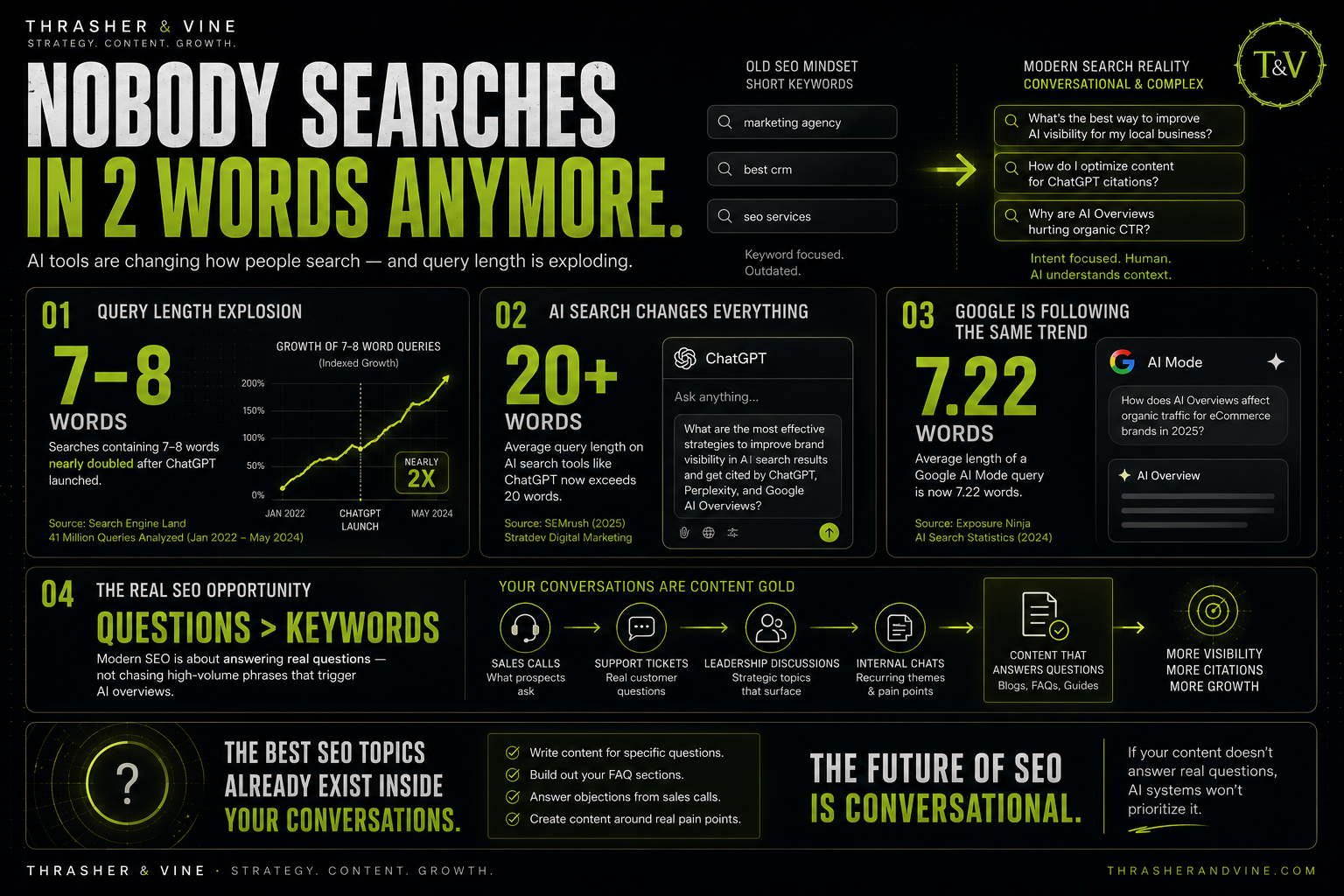
This is a hot take, but you’ve got to think about how people are searching now… I don’t know many people that just type two words in Google anymore
Instead people type a question - heck even ask a question and the data shows that query length has increased since LLMs have been around
A Search Engine Land analysis of 41 million search queries from January 2022 to May 2024 found that search terms with 7–8 words nearly doubled since the launch of ChatGPT, with that volume shifting away from 5–6 word queries. Search Engine Land
According to SEMrush (2025), query length has increased from four to five words on Google in 2024 to over 20 words on AI search tools like ChatGPT. Stratdevdigitalmarketing
Supporting this, the average length of a Google AI Mode query is now 7.22 words. Exposure Ninja
So why are people still trying to rank for the “high volume” terms… when they just lead to AI overviews that return information
I think it’s better to always write content for specific questions being asked in Google - “frequently asked questions area”... Or around things you hear constantly come up in sales/product/leadership calls…
So to wrap up… does Google’s recommendations fundamentally change anything that I am telling clients?
No not really. It’s all standard SEO advice…
do I think AEO/GEO is different still?
yes. I do… and I think that narrative will stick around for a while given the different ranking criteria that keeps coming up in large databases released to the public…
hope you found this helpful and don’t view it as a doom scroll narrative… because it’s far from that. the underlying message here is to make good, helpful content…
AI shouldn’t be writing your content without a lot of inputs and strict guardrails… otherwise you will indeed just be making ai slop…
have a question?
send me a linkedin message, i’d be happy to chat
Written By:
.avif)
If you're looking for B2B SEO or Paid Media expertise, then you've come to the right place.
I am a freelance consultant that works with B2B companies to install systems & cutting edge tactics to improve performance and win more pipeline for your team.
%20(1).png)
Written By:
.png)
Download the blog as an ebook that you can share with your team.
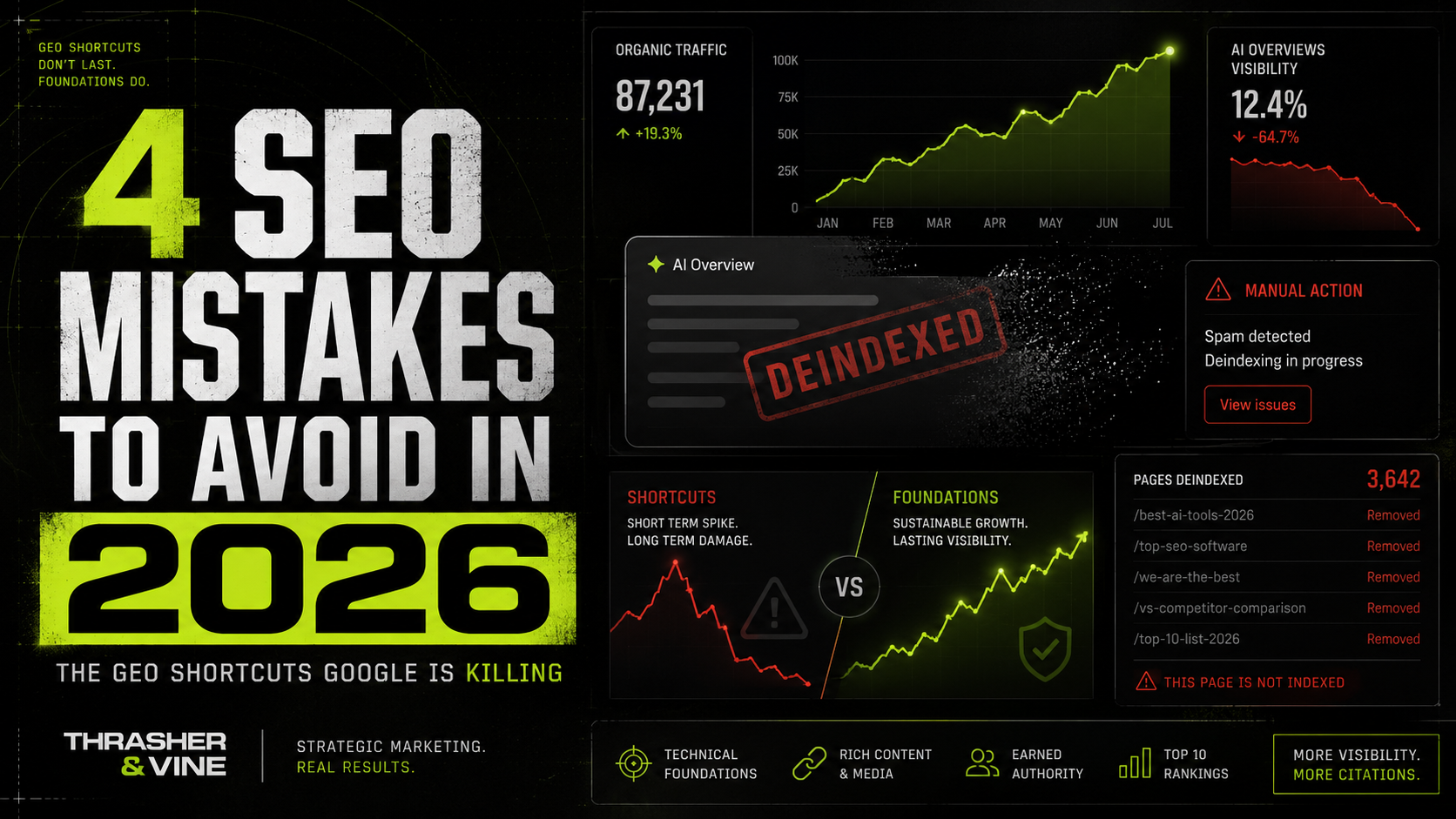


4 SEO Mistakes to Avoid in 2026
These are the top four mistakes I'm seeing SEOs continue to make with their SEO strategy in 2026 and how to avoid them
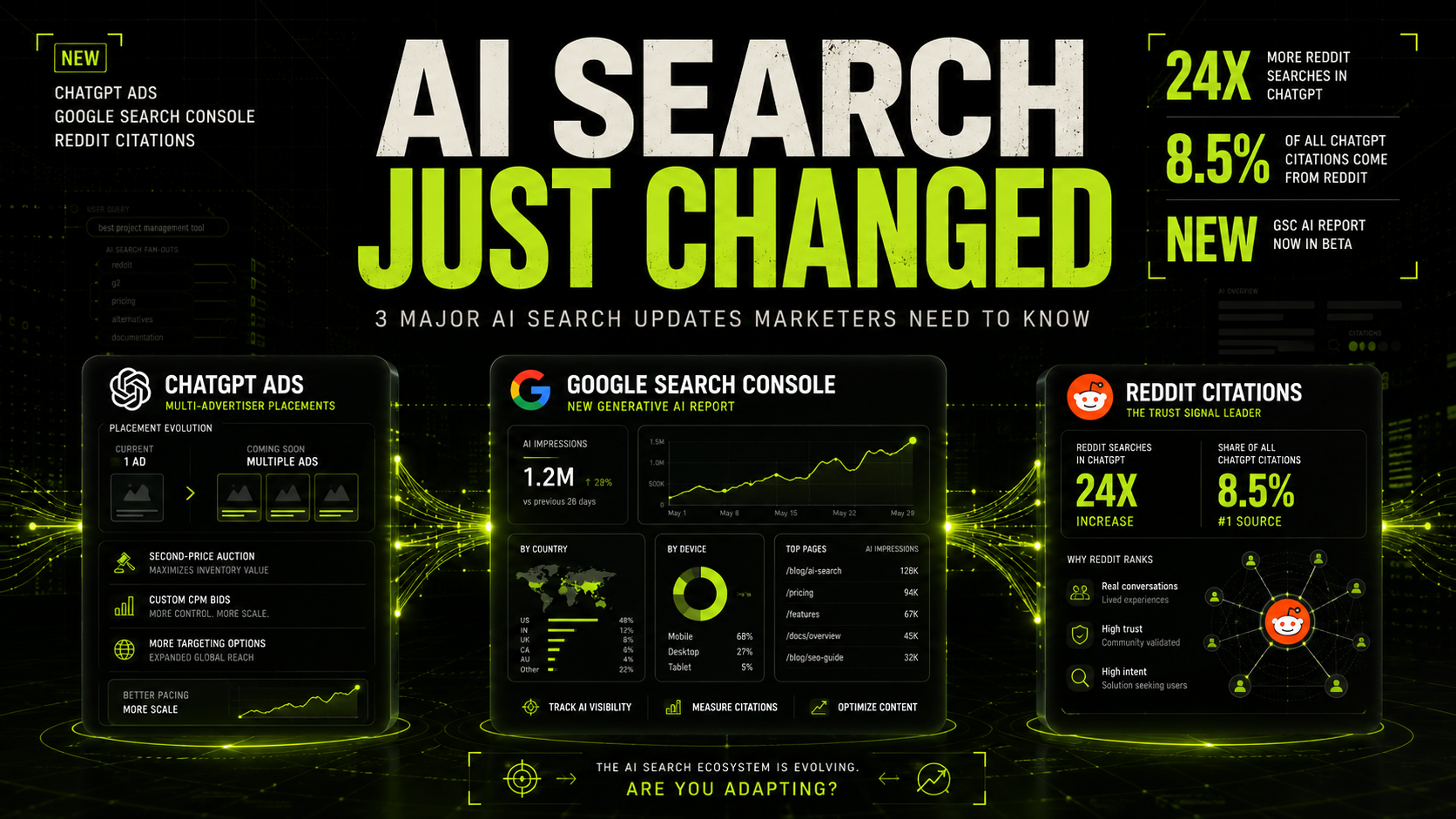
ChatGPT Ads, Google Search Console, and Reddit Citations: 3 Major AI Search Updates
A lot has shifted in the last few days across ChatGPT Ads, Google Search Console, and Reddit citation patterns inside AI Overviews. I want to walk through each one and break down what these changes actually mean for you.
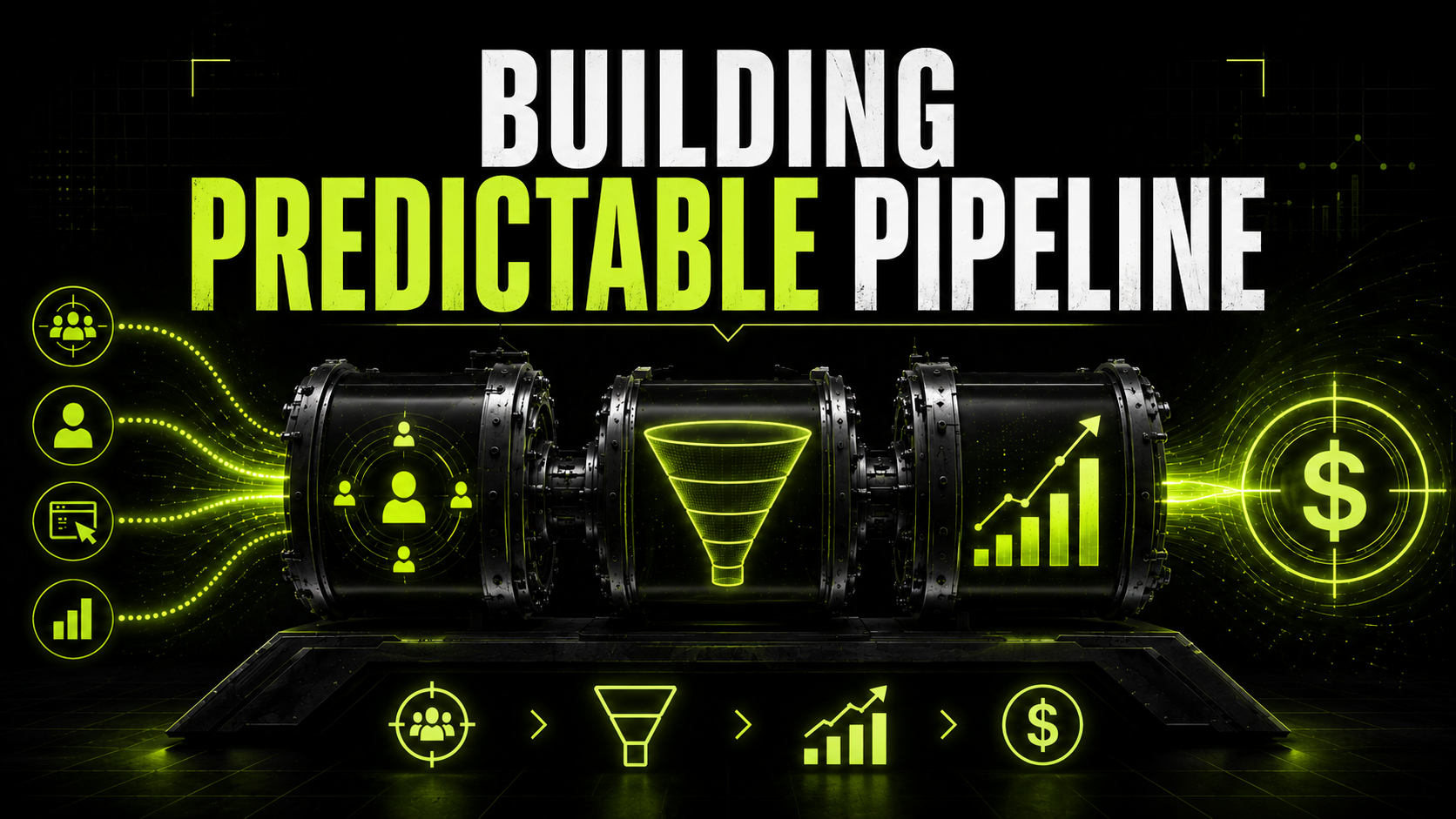
How Thrasher & Vine Builds Predictable Marketing Pipeline for B2B SaaS Sales-Led Growth Teams
B2B SaaS companies from seed to Series A come to us with the same problem: they cannot build channels that drive consistent pipeline, or even reliable marketing qualified leads. We have a hunch about why.

Growth Marketing for Highly Technical Enterprise B2B Audiences: A Complete Guide
Growth marketing for highly technical enterprise B2B audiences requires a lot of up-front strategy. Unlike B2B SaaS companies with sales-led or product-led growth strategies, highly technical enterprise audiences have a different mechanism for growth.
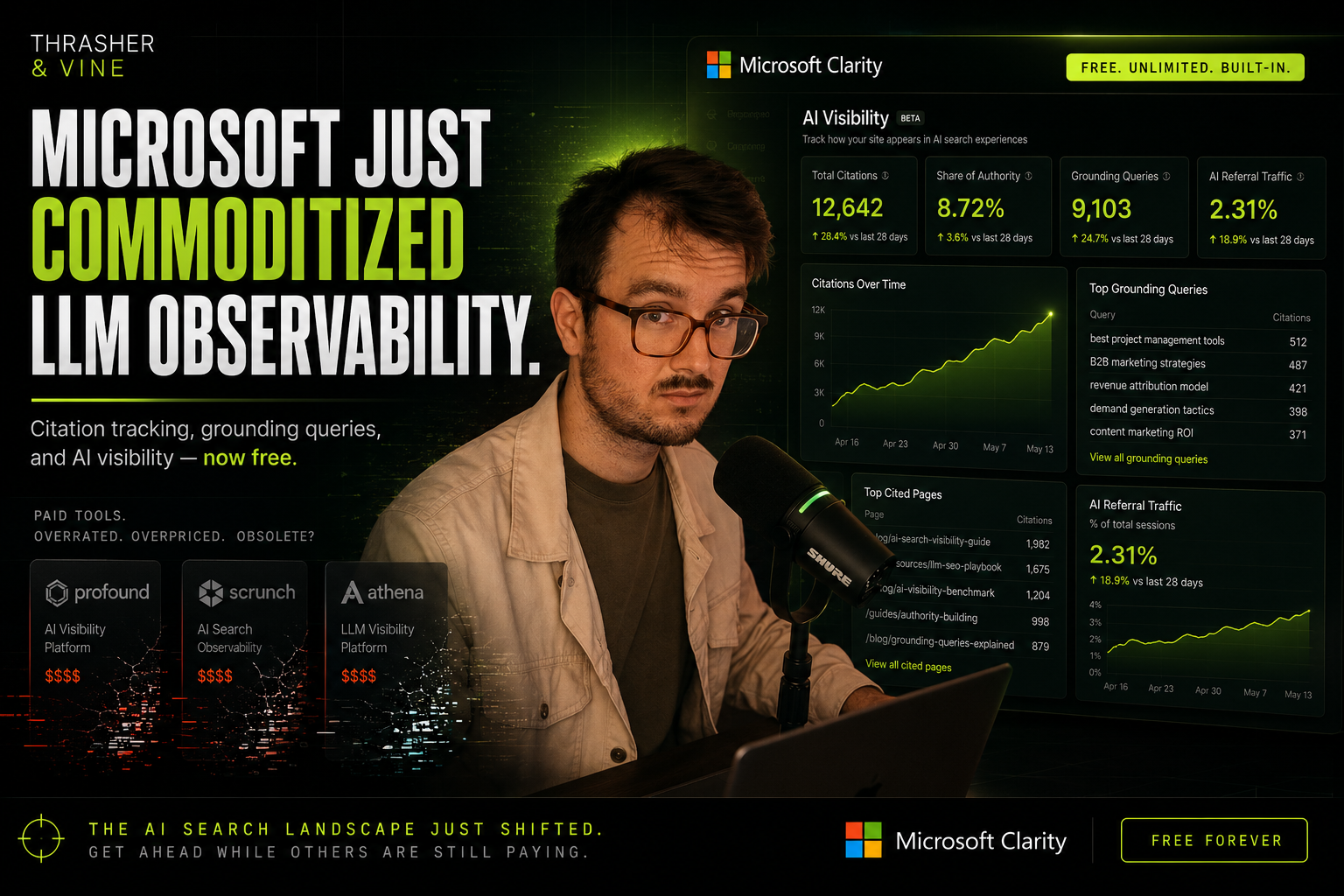
Microsoft Clarity Just Quietly Killed a Bunch of LLM Observability Tools
Microsoft Clarity just shipped a feature that wipes out a big chunk of the LLM observability market overnight — and most marketers haven't even noticed yet.
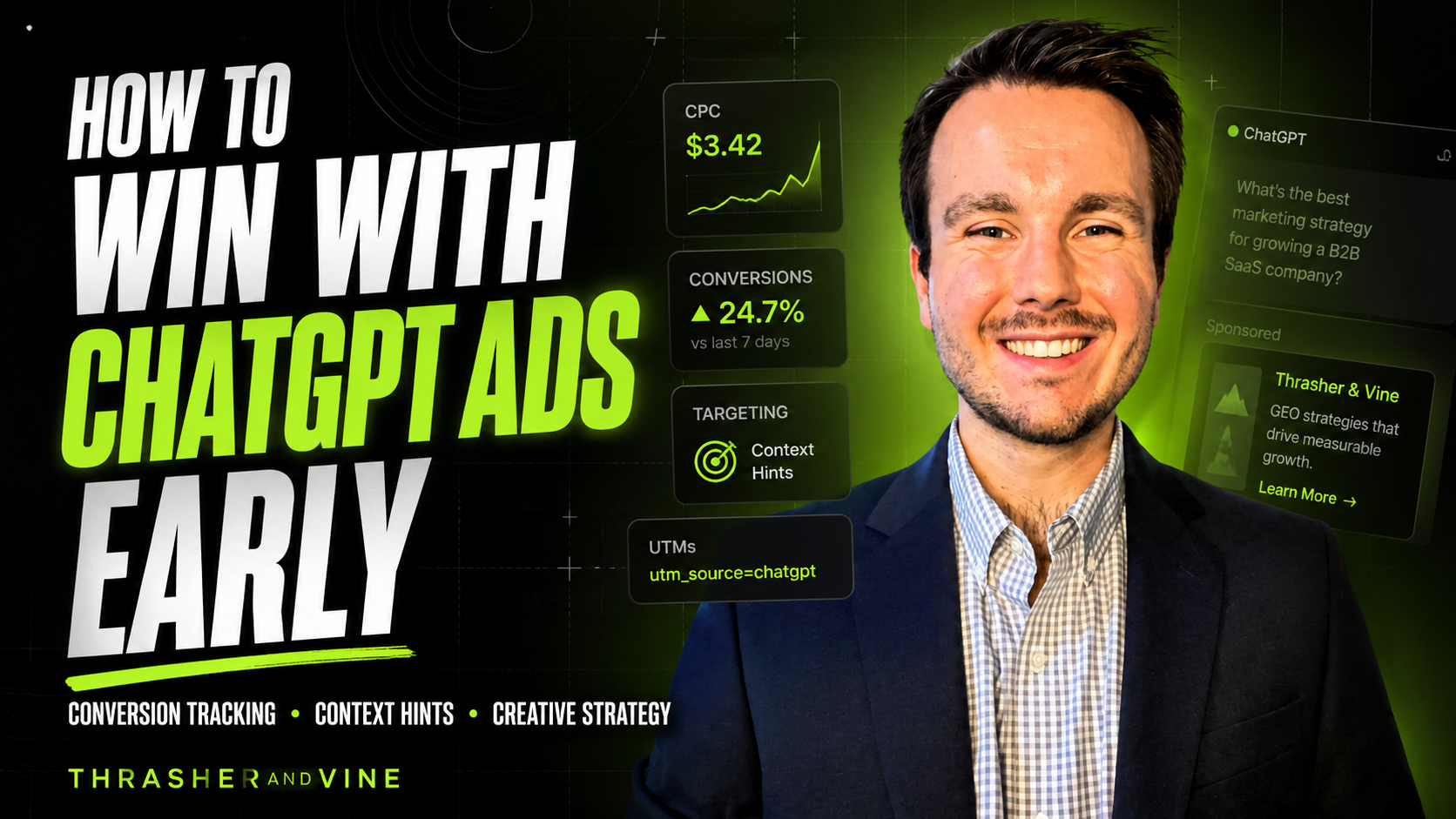
How to Set Up ChatGPT Ads the Right Way (Conversion Tracking, Targeting & Creative Tips)
ChatGPT Ads just opened up to the public as of mid-May 2026 and I've already been inside the platform testing it. In this post, I'm going to walk you through exactly how to set up your conversion tracking, how to think about targeting and bidding, and what your actual ads should look like. Let's get into it.


